

Let’s be honest. No one installs a diesel generator expecting their monthly fuel bill to become a headache.
You buy a generator for one reason. Reliability. You want your business, home, or facility to keep running when the power goes out. But after a few months, many generator owners start noticing something frustrating. The diesel consumption feels higher than it should be.
And slowly, it starts feeling normal.
But it should not be.
A 25 KVA generator running around 6 hours a day can easily consume 800 to 1,000 litres of diesel in a month. What most people do not realise is that a good portion of this is actually avoidable. Small habits, missed maintenance, and a few unnoticed mistakes quietly increase your fuel cost over time.
The good part is this. You do not need big changes to fix it. Just the right ones.
Why Your Generator Is Using More Diesel Than Expected
In most cases, the generator is not the problem. The way it is being used is.
Here are the usual reasons behind higher fuel consumption:
- Running the generator on a very low load
- Ignoring regular maintenance
- Using poor-quality diesel
- The load is not properly balanced
- Letting the generator run unnecessarily
Reduce Diesel Costs with These 10 Jakson Generator Tips
1. Running on Low Load Feels Safe, But It Is Not
It might seem fine to run your generator just for a few lights or fans during a power cut. After all, it is working, right?
But internally, the engine is not operating efficiently. It burns more fuel for less output and slowly builds up carbon deposits.
What you should do:
Try to run your generator closer to its ideal load. If your usage is always low, you might actually save more by switching to a smaller generator.
2. Uneven Load Is Quietly Increasing Your Fuel Bill
If you are using a three-phase generator and the load is not balanced, the engine ends up working harder than necessary.
You will not notice it immediately. But your fuel tank will.
Simple fix:
Ask your electrician to balance the load across all phases. It is a small step that brings steady savings.
3. Delaying Oil Change Costs More Than You Think
It is easy to postpone an oil change. Everyone does it at some point.
But old engine oil increases friction inside the engine. That means your generator needs more fuel to do the same work.
Better approach:
Stick to the schedule. Change the oil every 500 running hours. It is a small cost compared to the fuel you waste otherwise.
4. A Dirty Air Filter Is a Hidden Fuel Drainer
Your generator needs proper airflow to run efficiently. When the air filter is clogged, the engine struggles and burns more diesel.
This is very common in dusty areas like construction sites or industrial locations.
Quick habit:
Check and clean the air filter regularly. It takes very little effort but makes a noticeable difference.
5. Heat Is Your Generator’s Enemy
During peak summers, generators often run in high temperatures. If the cooling system is not in good condition, the engine overheats, and fuel consumption goes up.
Keep an eye on:
- Coolant level
- Radiator cleanliness
- Fan belt condition
A well-maintained cooling system keeps everything running smoothly.
6. Letting It Run Unnecessarily Adds Up Fast
This happens more often than people admit. Power comes back, but the generator keeps running for a while.
Or it idles longer than needed before taking load.
Every extra minute is fuel wasted.
What to remember:
Switch it off once power is back. Keep warm-up time short, around 2 to 3 minutes.
7. Cheap Diesel is Not Really Cheap
Saving a few rupees per litre on diesel might feel like a good deal. But low-quality fuel burns inefficiently and can damage engine components.
In the long run, you end up paying more.
Stick to:
Trusted fuel stations and good-quality diesel. Your generator performs best when it gets the fuel it was designed for.
8. Injectors Do Not Fail Suddenly; They Warn You
Fuel injectors slowly wear out or get clogged. When that happens, combustion is not proper and fuel consumption increases.
You might notice:
- Slight increase in diesel usage
- Dark smoke from exhaust
- Engine not running as smoothly
Do not ignore these signs. Regular checks help avoid bigger issues.
9. Small Fuel Leaks Become Big Losses
A tiny leak might not seem like a big deal. But over days and weeks, it adds up.
Plus, it is a safety risk.
Make it a routine:
Take a quick look at fuel lines and connections whenever you refuel.
10. Your Generator Needs a Yearly Workout
If your generator only runs during power cuts, it rarely operates at full capacity. Over time, this leads to carbon buildup and reduced efficiency.
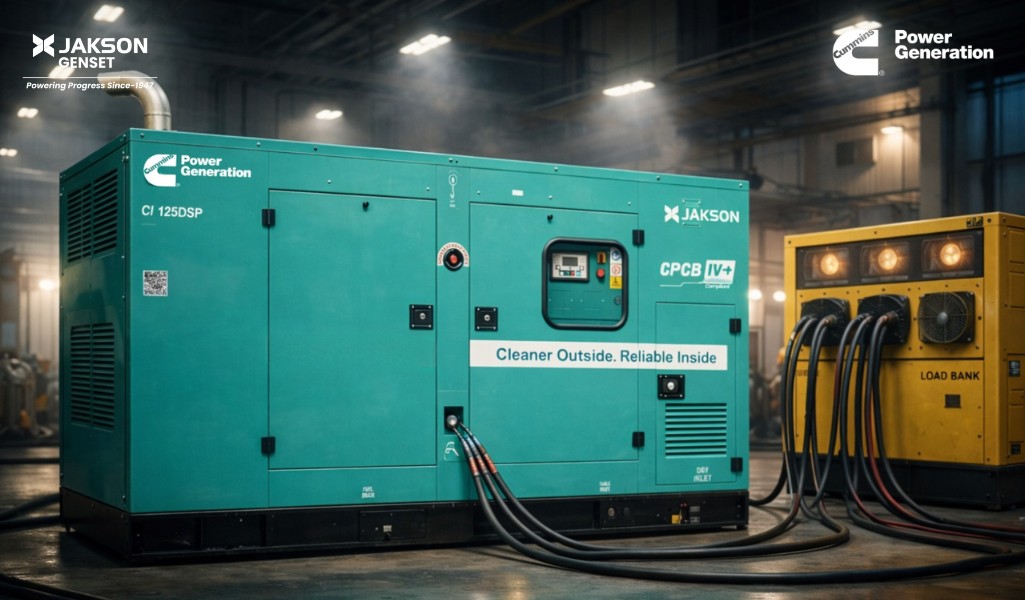
That is where a load bank test helps:
It pushes the generator to full load, cleans internal deposits, and ensures everything is working properly.
Think of it as a yearly health check.
Small Habits, Real Savings
None of these changes is complicated. You do not need expensive upgrades or major changes.
Just a little attention and consistency.
When used and maintained properly, your generator will not just save fuel. It will also run smoother, last longer, and give you fewer problems.
When You Should Get It Checked
If you notice your diesel consumption suddenly going up, or see smoke or performance issues, do not ignore it.
A quick professional check can save you from bigger expenses later.
Final Thought
If your generator feels like it is consuming more fuel than it should, it probably is. And in most cases, the reason is something simple that can be fixed.