
Diesel generators are very crucial for the 24/7 running of a factory in any country worldwide. With proper maintenance, the generators can achieve 30,000 hours of operational lifespan, whereas poor upkeep can reduce the running hours to less than 10,000 hours. If one takes care of regular maintenance as per industry guidelines, one can easily achieve continuous power output for years.
Here are the Top 10 Tips, following which you can extend the life of your generator and save lakhs in reinvestment.
Sizing and Load Management
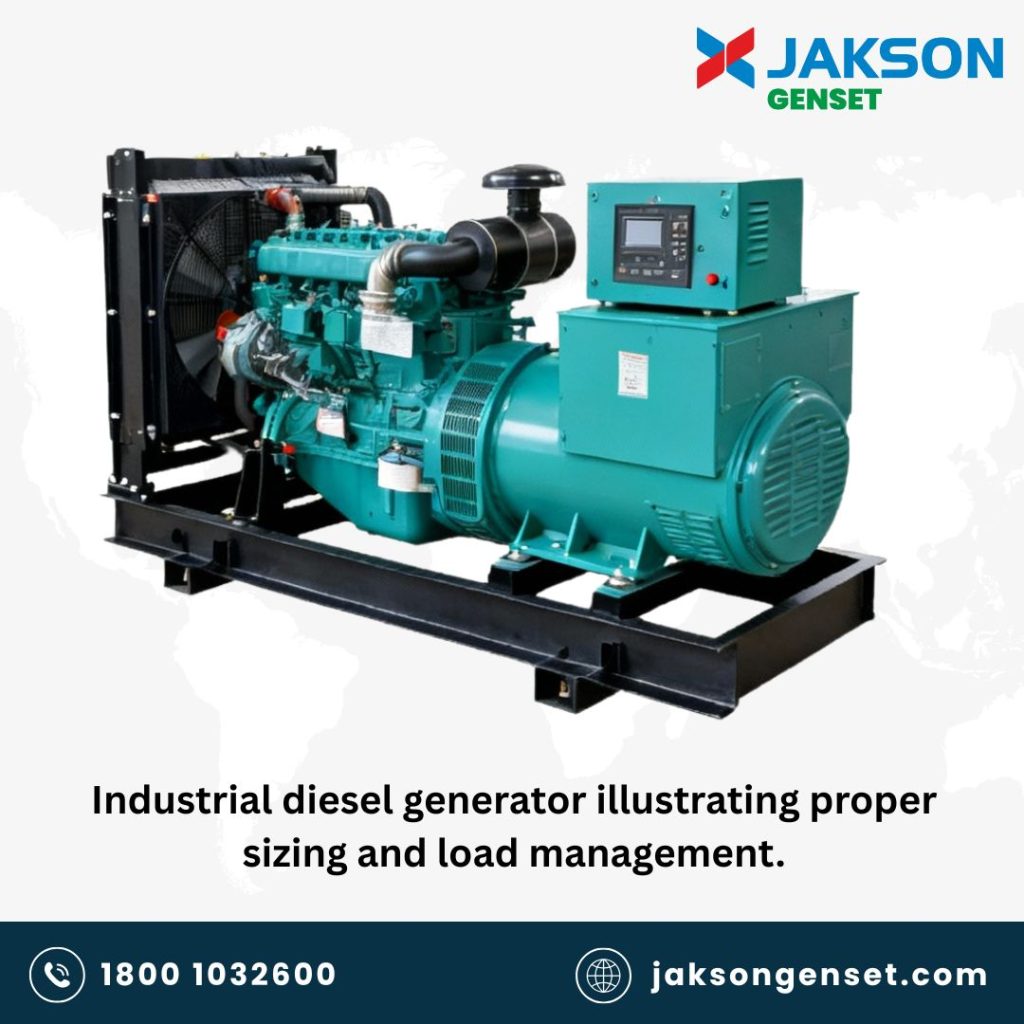
Choosing the right generator size is critical for making your equipment last longer. When you push a generator beyond its capacity, it creates excessive heat that wears down key components much faster.
Running your generator near maximum capacity constantly generates damaging heat that compromises engine health over time. If the load difference between phases exceeds 25%, it can damage the alternator windings.
Plan your electrical distribution carefully to avoid this. Consider both your everyday power needs and peak demand times to ensure you have enough power generation whenever you choose the generator.
Regular Visual Inspections
Daily visual inspections are the best method of preventive maintenance. It will not only help you catch the problems early but also help in reducing the expensive repairs and unexpected downtime. During inspections, one should look for fluid leaks, rust, loose electrical connections, worn belts, cracked hoses, or any physical damage.
A quick, simple inspection, like looking out for fluid puddles, damaged wire insulation, or signs of overheating, takes just a few minutes but saves you from costly emergency repairs in the long term.
Battery Care
Uncleaned batteries are one of the most common reasons generators fail to start during power outages. One should clean battery terminals regularly to ensure proper electrical flow, as corroded terminals block the connection and current flow. Check the charging level regularly so your generator has enough power to start. Also, make sure terminal connections are tight.
Apply corrosion inhibitors to reduce maintenance frequency. Replace batteries as suggested in the manufacturer’s manual, usually every 24 to 36 months, depending on your usage.
Cooling System Management
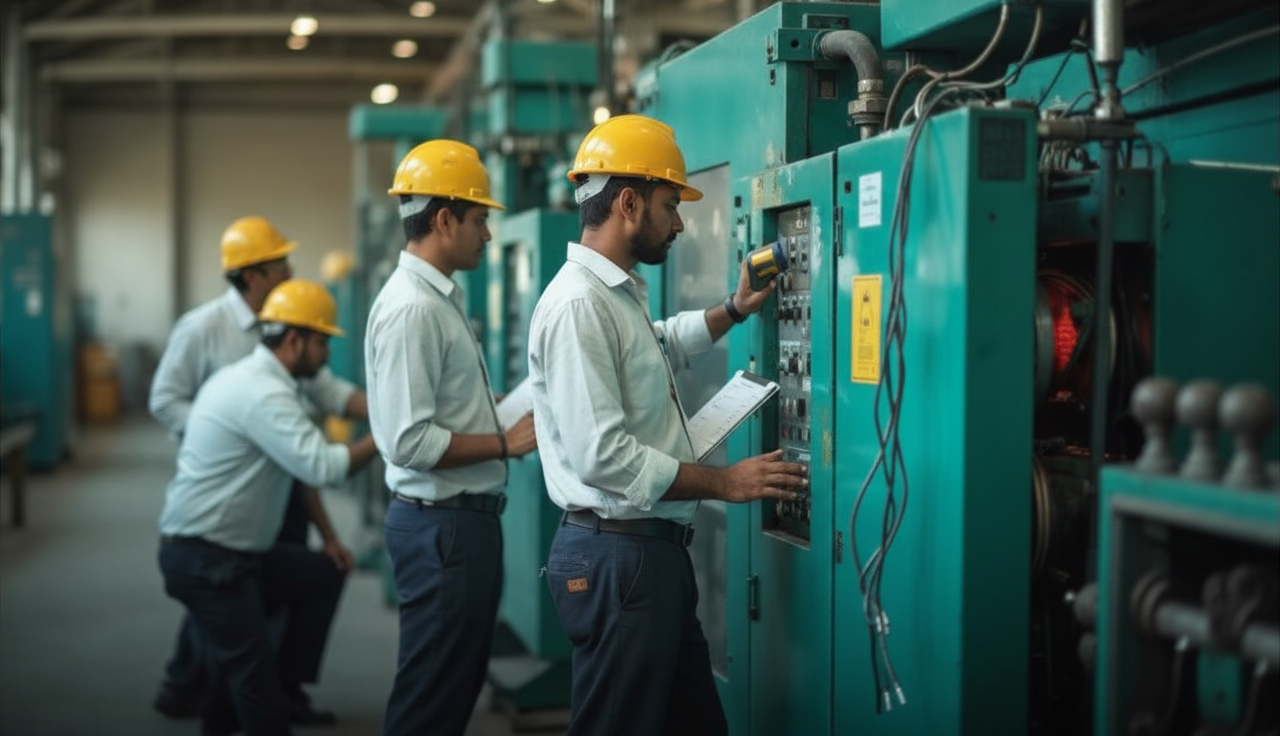
Your cooling system protects your engine from damage by keeping temperatures in check. One should keep coolant levels around three-quarters full when the generator is off and cooled down. Heavy-duty diesel generators require a mix of water, antifreeze, and corrosion inhibitors for 360-degree protection.
One should clean the radiator exterior regularly with a soft brush, gently removing debris to avoid damaging the fins, which are crucial for heat transfer. Inspect hoses for cracks, bulges, or soft spots that signal they’re about to fail.
Fuel System Quality Control
Clean fuel is important for efficiency, optimal performance, and long equipment life. Adulterated fuel damages critical components like injection pumps and nozzles. Regularly replace fuel filters at intervals of approximately every 500 operating hours—to keep residue out of fuel delivery systems.
Regularly check for water in diesel fuel, as moisture causes rust and bacterial growth. Also, diesel fuel degrades within 3 to 6 months, so one should test and replace fuel in generators that run occasionally.
Air Filtration System Maintenance
Dirty air filters put pressure on the engine to work harder, reducing significant power output and wasting fuel; therefore, they should be replaced regularly. Clean air filters ensure efficient combustion and protect the engine from damaging residues.
One should change filters more often if you operate in dusty environments. Vacuum indicators in gensets tell you in real time when filters need changing. One should replace them when they’re too dirty to clean effectively.
Load Bank Testing and Exercise Routines
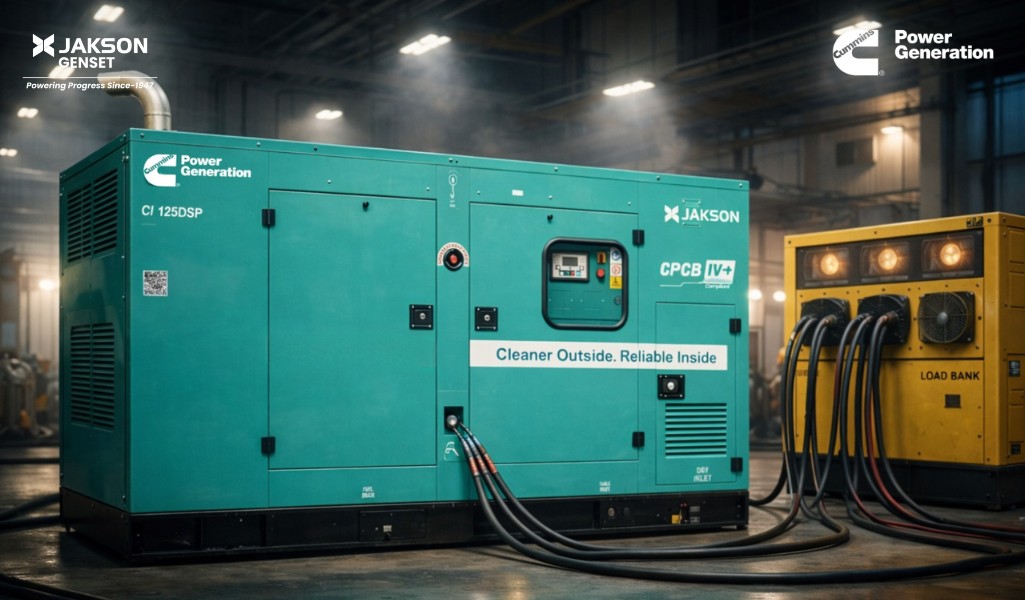
Load bank testing is operating at real conditions at full capacity, corroborating performance and preventing wet stacking -where unburned fuel builds up in the exhaust from combusting at low temperatures.
Running your generator regularly under load keeps it prepared for emergencies and helps you spot problems in the early stages. Regular usage prevents fuel from going bad and prevents mechanical parts from deteriorating during long idle periods. Run your generator for at least 30 minutes monthly under load to keep the parts lubricated, batteries charged, and fuel systems clean.
Lubrication System Maintenance
Engine oil prevents friction between moving parts. One should check oil levels with the dipstick, allowing time for oil to drain back into the crankcase when the generator is off. Change oil and filters at regular intervals, typically every 500 operating hours or annually, depending on the usage. Use lubricants that meet API standards and match the manufacturer’s viscosity specifications. Stick with the same oil brand and type. Dispose of used oil properly to protect the environment.
Electrical System Integrity
Electrical systems are the backbone of generator operation, so regular inspections are important. Alternators, voltage regulators, sensors, and wiring should be inspected thoroughly. Tight connections, insulation condition, and signs of heat damage should also be monitored.
Biweekly or monthly inspections should be done to keep your generator in top shape. Make sure to isolate power and use proper lockout procedures before maintenance to prevent accidental start-up.
Preventive Maintenance Program Development
Daily checks should include visual assessments, coolant heater function, fluid level checks, and fuel availability. Weekly maintenance tasks should include servicing air cleaners, draining fuel filters, removing water from fuel tanks, and checking coolant concentration. Monthly maintenance covers drive belt tension, exhaust condensate drainage, and battery condition. Annual maintenance includes complete oil and filter changes, coolant filter servicing, cleaning crankcase breathers, replacing air cleaner elements, inspecting radiator hoses, replacing fuel filters, and flushing the cooling system.
A 360-degree maintenance program increases generator lifespan and minimises unexpected damage. Only a qualified engineer should perform maintenance, and all activities should be documented.
Environmental and Operational Considerations
Environmental factors like temperature, moisture, dust, and air pollutants impact equipment condition and lifespan. Old generators with more operating hours need closer inspection and frequent part replacements. Multiple factors influence your maintenance schedule and should be customised to your needs.
Regular use and heavy loads require frequent servicing. Tailor your maintenance program to your duty cycle-whether continuous industrial, standby commercial, or residential use-to ensure optimal performance and longevity.
One should make proper maintenance protocols based on the manufacturer’s guidelines and industry standards to get maximum output from the generator.